
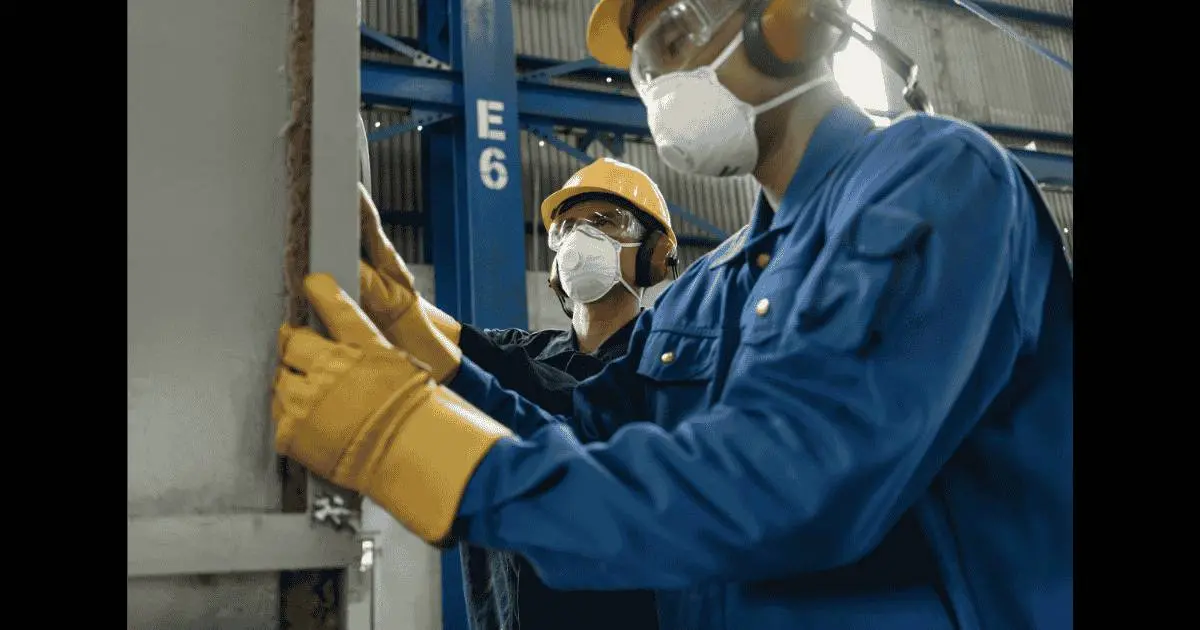
As a business owner, you know that workplace safety is one of the most important aspects of running a successful operation. But to ensure that your employees are properly trained and informed about safety protocols, you must stay up-to-date on all the latest workplace safety trends. In this article, we will discuss the current trends in workplace safety training for blue-collar employees. From virtual and augmented reality training to new technology-based methods, we’ll explore how these can help ensure that all employees are informed about potential risks and hazards in their particular job.
What is Workplace Safety Training?
As our world changes and becomes more complex, the need for workplace safety training increases. Workplace safety training is designed to educate employees on how to identify and reduce risks in the workplace. By providing employees with the knowledge and tools to identify potential hazards, employers can minimise the chances of an accident or injury occurring.
There are a variety of workplace safety training programs available, but not all programs are created equal. When choosing a workplace safety training program, it is important to select one that is relevant to your industry and that covers all aspects of workplace safety.
Some common topics covered in workplace safety training include:• How to identify potential hazards in the workplace• How to reduce the risk of accidents and injuries• First aid and CPR training• Emergency preparedness plans
The Different Types of Workplace Safety Training
There are a variety of workplace safety training courses available for blue-collar employees, each with its benefits. The most common type of workplace safety training is OSHA 10-hour training. This course provides workers with an overview of OSHA standards and how to prevent common workplace accidents. Other popular courses include forklift certification, first aid/CPR training, and Hazwoper training.
Forklift certification is a must for any worker who will be operating a forklift on the job. This course teaches workers how to safely operate a forklift and covers topics such as load capacity, proper lifting techniques, and blind spots. First aid/CPR training is another important course for blue-collar workers. This course covers basic first aid procedures such as treating cuts and bruises, as well as more serious injuries such as choking and heart attacks.
Hazwoper training is required for any worker who will be working with hazardous materials. This course covers topics such as identifying hazardous materials, using personal protective equipment, and proper disposal procedures.
What are the Latest Workplace Safety Training Methods?
Virtual Reality Training: Virtual reality technology has revolutionized safety training in recent years. Virtual reality training can provide a realistic, interactive, and engaging experience for employees, which can help improve safety training outcomes.
Microlearning: Microlearning is another method that has gained popularity in recent years. This approach involves delivering safety training in small, bite-sized chunks that employees can complete in a few minutes each day. This method can help improve knowledge retention and make safety training more accessible and convenient for employees.
Personalization: One-size-fits-all safety training may not be effective for all employees. Personalized safety training that is tailored to each employee’s specific needs and risks can be more effective in promoting safety in the workplace.
Gamification: Gamification is another method that has gained popularity in recent years. Gamification involves incorporating game-like elements into safety training to make it more engaging and fun for employees. This approach can help motivate employees to complete safety training and retain the information they learn.
Mobile-Friendly Training: Many employees today use mobile devices to access information and complete tasks. Mobile-friendly safety training can provide employees with convenient access to safety information and help improve engagement and knowledge retention.
The Bottom Line
It’s important to note that technology is becoming more and more integrated with many aspects of these training programs, making them not only more effective but also easier to implement and manage. With advances in virtual reality, augmented reality, artificial intelligence, and other modern technologies, there are plenty of ways for companies to provide employees with engaging, up-to-date safety education. Investing in effective workplace safety training will result in a safer work environment for everyone involved – so employers must stay abreast of current industry standards and invest accordingly.
Faqs
Why is workplace safety training especially important for blue-collar employees?
What are the most effective training methods for delivering workplace safety training to blue-collar workers?
What OSHA training requirements must US employers fulfill for blue-collar workers?
How can organizations make safety training more accessible for workers with low literacy or language barriers?
How frequently should workplace safety training be refreshed for blue-collar employees?
What is the role of supervisors in reinforcing workplace safety training outcomes?
How can digital tools and mobile LMS platforms improve safety training delivery for blue-collar workers?
What is a toolbox talk and how does it complement formal safety training programs?